
Water Softener Installation and Repair
White crust on faucets, spotty dishes and a water heater full of scale point to hard water. PipeMend plumbers test your water, size a softener and install it with a bypass and proper drain.
- Water hardness testing
- Installation and replacement
- Repair and resin service
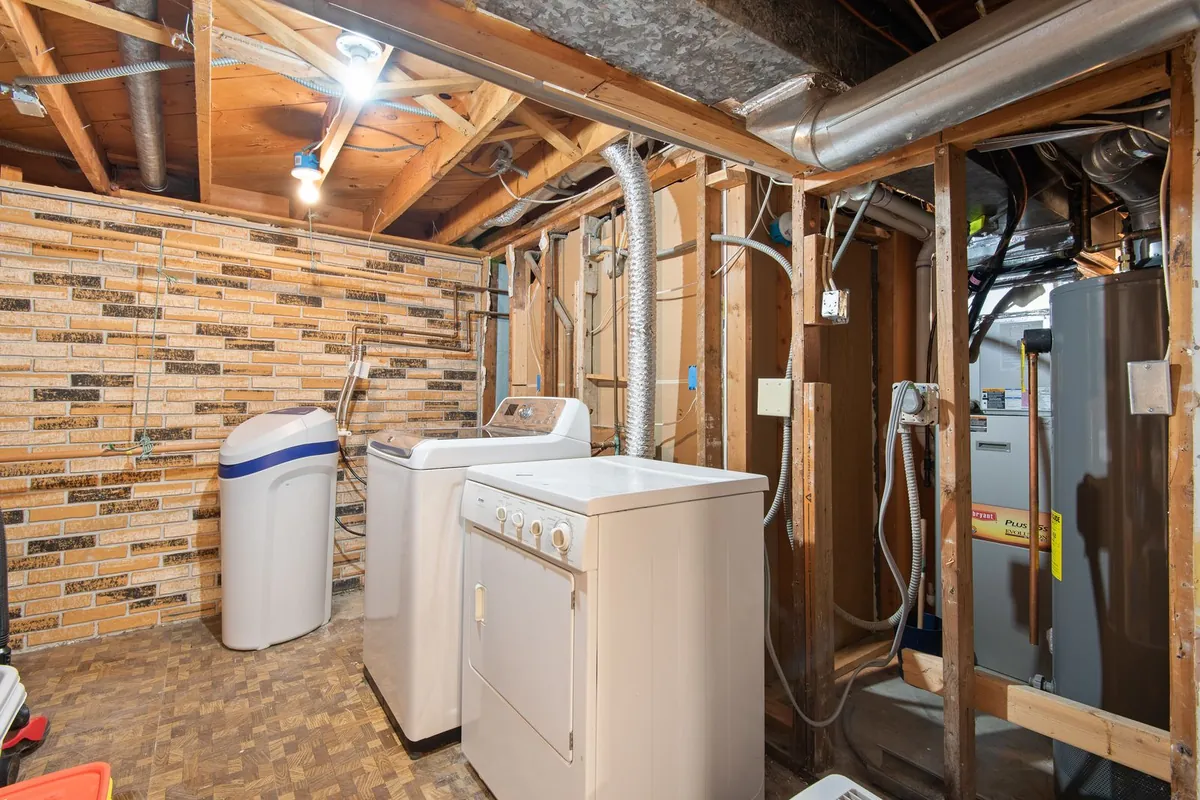
Quick answer: A water softener removes the calcium and magnesium that make water hard, using resin beads that trade those minerals for sodium or potassium. Installation means testing your water, sizing the unit, and installing it on the main line with a bypass valve, a drain and an overflow line. The USGS classifies water above 120 mg/L as hard and above 180 mg/L as very hard.
What water softener service includes
- Water testing for hardness, and iron where needed.
- Sizing by hardness, household size and daily water use.
- Installation on the main line, with a bypass valve.
- Drain and overflow lines with an air gap to the drain.
- Programming of the control valve for your hardness and use.
- Repair: control valves, injectors, brine lines and float assemblies.
- Resin replacement and salt tank cleaning.
- Replacement and haul-away of old units.
How hard is your water?
| USGS class | mg/L as calcium carbonate | About grains per gallon |
|---|---|---|
| Soft | 0 to 60 | 0 to 3.5 |
| Moderately hard | 61 to 120 | 3.5 to 7 |
| Hard | 121 to 180 | 7 to 10.5 |
| Very hard | More than 180 | More than 10.5 |
Hardness is caused mostly by calcium and magnesium, according to the USGS. The USGS also notes that the EPA has set no health standard for hardness, because those minerals aren't toxic. Softening is about protecting plumbing and appliances, and about how the water feels.
The water softener installation process
- Test. The plumber measures hardness and checks for iron, which affects the choice of unit.
- Size. Capacity is matched to hardness times daily use, so the unit isn't regenerating too often.
- Plan the location. The softener goes on the main line, usually before the water heater, near a drain and an outlet.
- Install. A bypass valve, inlet and outlet connections, a drain line with an air gap, and the brine tank overflow are installed.
- Program and start up. The control is set for hardness and household size, and the first regeneration is run.
- Test. Treated water is tested at a faucet to confirm it is soft.
Why hard water costs you money
Scale builds up inside water heaters, tankless heat exchangers, faucets, showerheads and appliances. The Department of Energy recommends flushing sediment from storage water heaters regularly, and hard water makes that buildup faster. In tankless water heaters, scale on the heat exchanger cuts performance and leads to error codes. A softener ahead of the heater reduces that buildup.
Types of water treatment
- Salt-based (ion exchange) softener: the standard choice; it removes hardness minerals.
- Dual-tank softener: one tank serves water while the other regenerates, for large households.
- Potassium chloride option: uses potassium instead of sodium.
- Salt-free conditioner: changes how minerals form scale but does not remove them; results vary.
- Iron filters and reverse osmosis: for iron, taste or drinking water, often paired with a softener.
What affects the cost of a water softener
- Capacity and type of unit.
- Water hardness and iron content.
- Where it goes, and plumbing changes to reach the main line.
- A new drain or outlet nearby.
- Added filters or a drinking water system.
DIY or call a professional?
You can add salt, break up a salt bridge and check the control settings after a power outage. Installation involves cutting into the main water line, adding a bypass and running a drain with a proper air gap, so it is best done by a licensed plumber. Some areas also limit softener discharge to septic systems or sewers; a plumber can check local rules.
Softener maintenance
- Keep the salt tank at least a quarter full.
- Check for salt bridges every month or two.
- Clean the brine tank every year or so.
- Have the resin and valve checked if water starts feeling hard again.
Water softener questions
How do I know if I have hard water?
Signs include white crust on faucets and showerheads, spots on dishes and glasses, soap that doesn't lather well, and scale in kettles and water heaters. A water test gives the exact hardness. City water users can also check their utility's water quality report.
How hard is hard water?
The USGS classifies water with 0 to 60 mg/L of hardness as soft, 61 to 120 as moderately hard, 121 to 180 as hard, and more than 180 as very hard. Softener makers often use grains per gallon; one grain per gallon is about 17.1 mg/L.
How does a water softener work?
Most home softeners use ion exchange. Water passes through resin beads that trade calcium and magnesium, the minerals that cause hardness, for sodium or potassium. The softener regenerates the resin with salt brine on a schedule or based on use.
Is softened water safe to drink?
Softening adds a small amount of sodium. People on a low-sodium diet can use potassium chloride instead of salt, or keep one unsoftened cold water tap for drinking. Ask your doctor if sodium is a concern.
Why is my water softener not working?
Common causes are an empty salt tank, a salt bridge (a hard crust over the salt), a clogged injector, a control valve set wrong after a power outage, or worn-out resin.
Related plumbing services
Tankless water heaters
Gas and electric tankless units installed, descaled and repaired.
Water heater installation
Tank and heat pump water heaters sized, permitted and installed to code.
Faucet repair
Dripping faucets, leaky shower valves and worn cartridges repaired or replaced.
Sources
- USGS: Hardness of water
- USGS: Water hardness in the United States
- U.S. Department of Energy: Energy Saver guide (water heating)
Last reviewed November 19, 2026 by PipeMend Editorial. General information, not legal, insurance or professional advice. Read our editorial policy.
Leak, clog or no hot water?
Call PipeMend 24/7 to get a licensed plumber started on the fix.
Call 1-800-555-0199