
Water Line Repair and Replacement
A soggy yard, a hissing meter or weak pressure in every faucet often means trouble in the main water line. PipeMend plumbers find the leak, repair it or replace the line, and restore your water fast.
- Main service line
- Leaks, breaks and low pressure
- Trenchless options
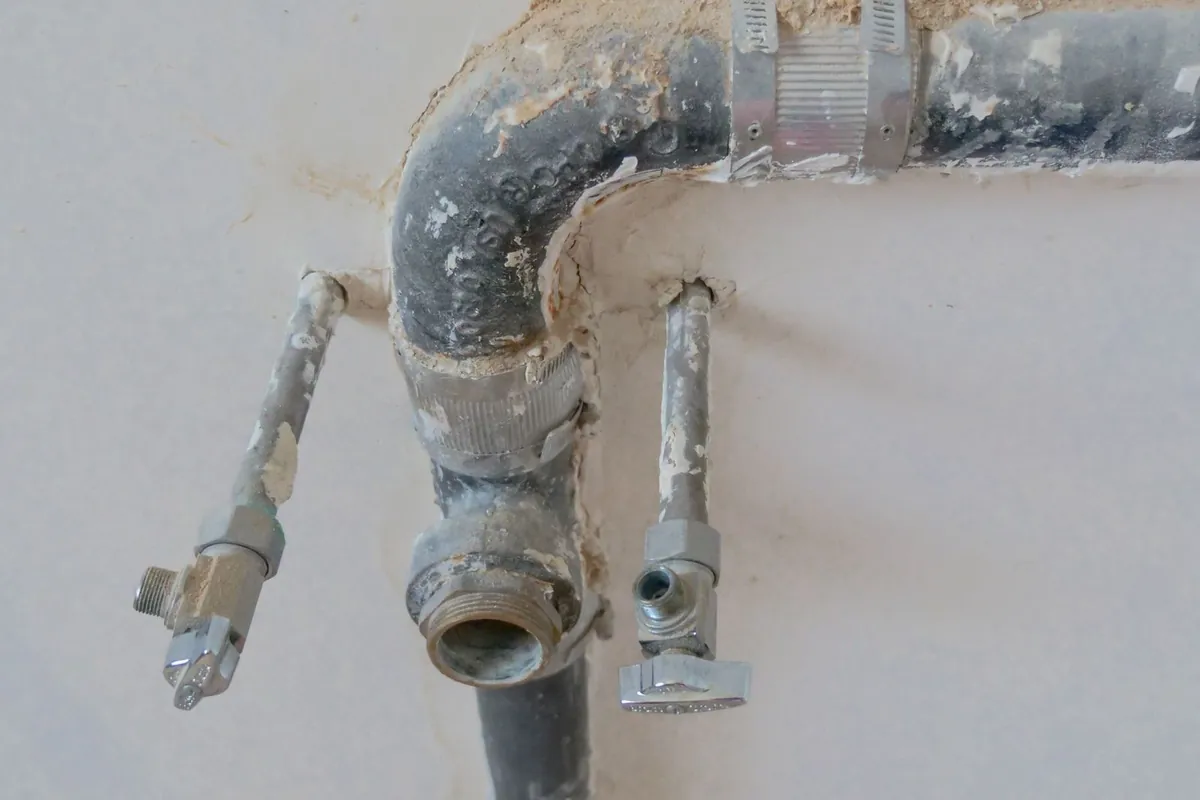
Quick answer: Water line repair fixes the buried service line that carries water from the meter or curb stop into your house. A plumber confirms the leak with a meter and pressure test, locates it, then repairs the broken section or replaces the whole line, often by trenchless pipe bursting or boring. Old galvanized, polybutylene and lead lines are the most common candidates for replacement.
What water line repair includes
- Leak confirmation with a meter test and pressure test.
- Locating the line and the leak with acoustic and tracing tools.
- Utility locates through 811 before any digging.
- Spot repair of a cracked section, failed joint or leaking fitting.
- Full replacement with copper, PEX or HDPE pipe sized for your home.
- Trenchless options: pipe bursting or directional boring.
- New main shutoff valve and pressure reducing valve (PRV) where needed.
- Permits, inspection and restoration of lawn or concrete.
Common water line problems
| Problem | Typical cause | Usual fix |
|---|---|---|
| Leak in the yard | Corrosion, failed joint, ground movement | Spot repair or replacement |
| Low pressure everywhere | Galvanized pipe clogged with rust, a leak, or a failing PRV | Replace the line or the PRV |
| Rusty or brown water | Corroding galvanized pipe | Replacement |
| Burst line | Freezing, shallow pipe, digging damage | Emergency repair, then evaluation |
| Lead service line | Original pipe in older homes | Replacement; coordinate with the utility |
| Root damage | Roots crushing or entering the line | Replace the section, reroute if needed |
The water line repair process
- Confirm. All fixtures are turned off and the meter is checked. A pressure test shows whether the service line is losing water.
- Locate. The plumber traces the line from the meter to the house and listens for the leak.
- Mark utilities. Gas, electric and other buried lines are marked through 811.
- Quote options. You get a written estimate for repair and for replacement, with the method spelled out.
- Repair or replace. The work is done, with a permit and inspection where required.
- Test and restore. The line is pressure tested and flushed, the water turned back on, and the ground restored.
Repair vs. replace the service line
A single leak in otherwise sound copper or plastic line is usually repaired. Replacement makes more sense when:
- The line is galvanized steel, polybutylene or lead.
- It has leaked before, or the pipe is visibly corroded where exposed.
- Pressure is low because the old pipe is narrowed by rust inside.
- The line is too small for the home's current fixtures.
Trenchless water line replacement
Trenchless methods save lawns, driveways and landscaping. Pipe bursting pulls new pipe through the old line, breaking the old pipe outward. Directional boring drills a new path between two small pits. An open trench is still the simplest choice for short or shallow runs. The plumber looks at depth, soil and what sits above the line before recommending a method.
Lead service lines
The EPA says lead pipes are more likely in older cities and in homes built before 1986. It also says that where a lead service line connects the home to the main, that line is typically the most significant source of lead in the water. Your water utility can tell you what material it has on record for your address. If the line is lead, replacing it may involve both the utility's side and yours, and some utilities run replacement programs. For pipes inside the house, see pipe repair and repiping.
Frozen and burst water lines
Lines that run shallow, cross a garage or enter through an unheated crawl space can freeze. The American Red Cross advises keeping a faucet open while you thaw a frozen pipe. It says to use gentle heat such as a hair dryer or heating pad and never an open flame. If a line has split, close the main shutoff first. A burst outside line needs a plumber; see emergency plumbing.
What affects the cost of water line repair
- Length and depth of the line.
- Repair or full replacement, and the method used.
- What has to be dug through: lawn, landscaping, driveway or sidewalk.
- Pipe material and line size.
- Permit, utility and inspection fees.
DIY or call a professional?
You can read your meter, check for wet spots and know where your shutoff valves are. The EPA's WaterSense program suggests reading the meter, using no water for two hours, then reading it again; if it changed, there is probably a leak. Digging, utility locates, connections at the meter and permit work belong to a licensed plumber.
Protect your water line
- Know where your main shutoff and curb valve are.
- Keep heavy vehicles and new trees off the line's path.
- Insulate exposed sections where the line enters the house.
- Have pressure checked; very high pressure strains every joint.
- Call 811 before any digging project in your yard.
Water line repair questions
Who is responsible for the water line to my house?
In most U.S. towns, the water utility owns the pipe up to the meter or curb stop, and the homeowner owns the service line from there to the house. Rules vary, so call your water utility to confirm where your part begins.
What are the signs of a main water line leak?
Common signs are a wet or sunken strip in the yard, water pooling near the meter or curb box, a meter that moves when no water is in use, a sudden jump in the water bill, low pressure at every fixture, and the sound of running water near the foundation.
Can a water line be replaced without digging up the yard?
Often, yes. Pipe bursting and directional boring can replace a service line through small pits at each end instead of a full trench. Soil, depth, length and local rules decide whether trenchless work fits.
Do I have a lead service line?
Homes built before 1986 are more likely to have lead pipes, according to the EPA. Lead service lines are typically the most significant source of lead in drinking water. Ask your water utility, which keeps service line records, and have your water tested.
Is a broken water main line an emergency?
Yes, if water is flowing. Close the main shutoff valve inside the house, or the curb valve if the break is between the meter and the house and you have the right key. Then call a plumber and your water utility.
Related plumbing services
Leak detection
Hidden leaks in walls, ceilings and yards found with acoustic, thermal and pressure tests.
Pipe repair and repiping
Burst, corroded or leaking pipes repaired, or whole-home repiping in PEX or copper.
Emergency plumbing
Burst pipes, overflowing toilets, no water or a sewer backup, handled day or night.
Sources
- EPA: How can lead get into my drinking water?
- EPA: Sources of lead in drinking water (infographic)
- EPA WaterSense: Fix a Leak Week
- American Red Cross: Frozen pipes
Last reviewed November 19, 2026 by PipeMend Editorial. General information, not legal, insurance or professional advice. Read our editorial policy.
Leak, clog or no hot water?
Call PipeMend 24/7 to get a licensed plumber started on the fix.
Call 1-800-555-0199