
Pipe Repair and Whole-House Repiping
One burst pipe is a repair. Leak after leak, rusty water and weak pressure usually mean the pipes are worn out. PipeMend plumbers fix single pipes and repipe whole homes with PEX or copper.
- Burst and pinhole leaks
- Galvanized and polybutylene
- PEX or copper
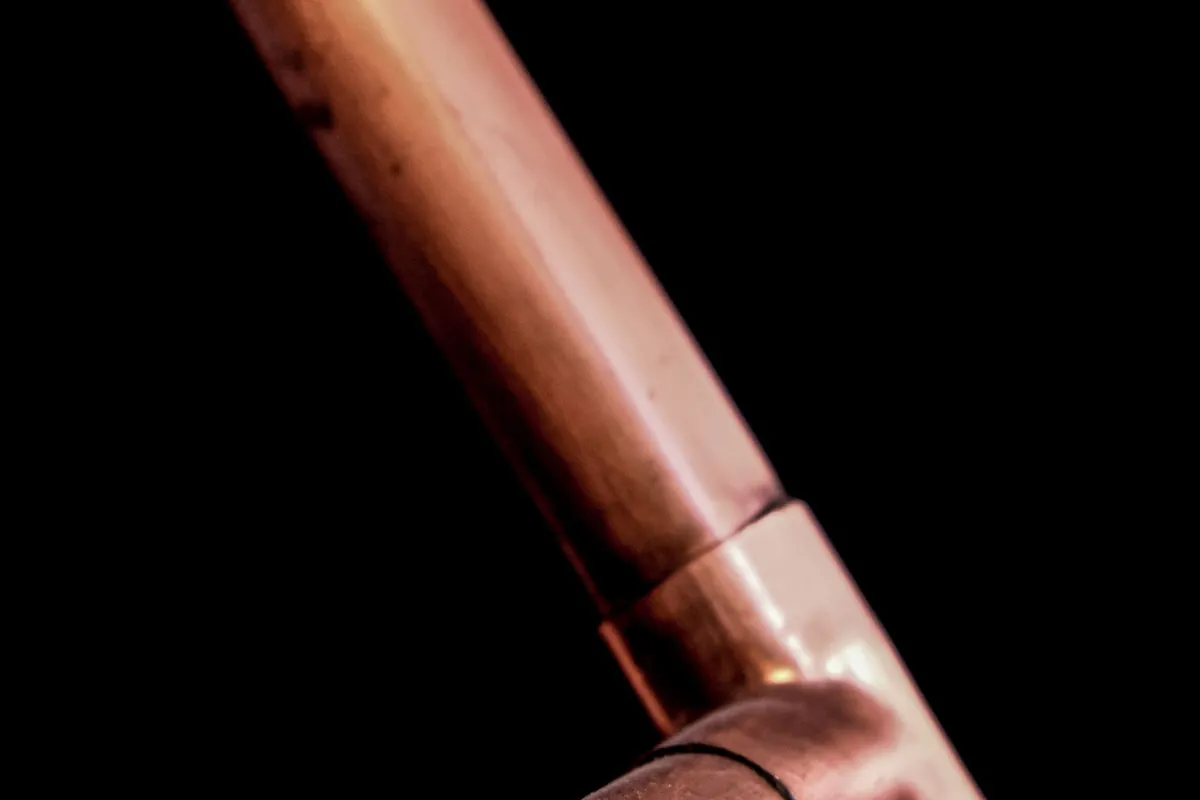
Quick answer: Pipe repair fixes a single burst, cracked or pinhole leak. Repiping replaces the home's water supply lines, usually with PEX or copper, when the old pipe keeps failing. It is common in homes with galvanized steel, polybutylene or thin, corroded copper.
What pipe repair and repiping include
- Burst pipe repair after freezing or impact, with water shut off fast.
- Pinhole leak repair in copper lines.
- Section replacement of corroded or damaged runs.
- Whole-house repiping of hot and cold supply lines to every fixture.
- Main line and shutoff updates, including a new main valve.
- Pressure check and a pressure reducing valve (PRV) where pressure runs high.
- Permit and inspection where required, then drywall patching.
Pipe materials in American homes
| Material | Found in | Common problems |
|---|---|---|
| Galvanized steel | Homes built before the 1960s | Rusts inside, low pressure, brown water; can hold lead particles |
| Polybutylene (gray plastic) | Late 1970s to mid-1990s | History of sudden failures at pipe and fittings |
| Copper | Most homes since the 1960s | Pinhole leaks in some water conditions; lead solder before 1986 |
| CPVC | 1980s onward | Can become brittle with age and heat |
| PEX | Common in new homes and repipes | Must be kept out of sunlight; correct fittings matter |
| Lead service line | Older cities and homes | Health risk; ask your water utility about replacement |
If a pipe bursts right now
- Shut off the main water valve. It is often where the line enters the house, or at the meter.
- Turn off electricity to wet areas if it is safe to reach the panel.
- Open faucets to drain the lines and relieve pressure.
- Call a plumber and photograph the damage for insurance.
The American Red Cross advises that if pipes freeze, you should keep the faucet open and apply heat with a hair dryer or space heater, never an open flame. See emergency plumbing for 24/7 help.
The repiping process
- Inspect. The plumber checks the pipe type, the number of fixtures, the water pressure and access routes.
- Plan and quote. You get a written estimate with the material, the routes, the permit and the drywall patching.
- Protect. Floors and furniture are covered; work areas are set up room by room.
- Run new lines. New pipe runs through walls, ceilings, the attic or the crawl space with small openings.
- Connect and test. Each fixture is connected, the system is pressure tested, and the lines are flushed.
- Inspect and patch. After inspection, wall openings are closed and patched.
Signs you need repiping
- Several leaks in the last year or two.
- Rusty, brown or metallic-tasting water.
- Low pressure at most fixtures, not just one.
- Visible corrosion, green or white crust on fittings.
- Gray polybutylene or galvanized steel lines.
- An insurer or home inspector flagging the pipe.
PEX vs. copper for a repipe
PEX (cross-linked polyethylene) is flexible, so it runs long distances with few fittings and fewer wall openings. It holds up better to freezing than rigid pipe and usually costs less to install. Copper is rigid and long-lived, and it handles heat and sunlight. Some areas and some water conditions favor one over the other. A plumber can explain what your local code and water allow.
Lead in older plumbing
The EPA says homes built before 1986 are more likely to have lead pipes, fixtures and solder. It says lead service lines are typically the most significant source of lead in drinking water. Repiping inside the house replaces lead solder joints and old fixtures, but the service line from the street may be a separate job. To know for sure, have your water tested.
What affects the cost of repiping
- Home size, number of bathrooms and fixtures.
- Pipe material: PEX or copper.
- Access: attic, crawl space, slab or finished basement.
- Number of stories and wall openings.
- Permit fees, drywall patching and painting.
DIY or call a professional?
A temporary repair clamp can stop a small leak until a plumber arrives. Repiping touches every fixture and connection in the home and usually needs a permit and inspection. It is work for a licensed plumber.
Protect your pipes
- Insulate pipes in garages, attics and crawl spaces.
- Keep water pressure in a normal range with a working PRV.
- Disconnect garden hoses before freezing weather.
- Know where your main shutoff is.
Pipe repair and repiping questions
When should I repipe instead of repairing a leak?
Consider repiping when you have had several leaks in a year or two, the pipe is galvanized steel or polybutylene, water is rusty or brown, pressure is poor throughout the house, or the plumbing is near the end of its expected life.
Is PEX or copper better for repiping?
Both are widely used. PEX is flexible, needs fewer fittings, resists freeze damage better and usually costs less to install. Copper is rigid, long-lived and handles heat well. Local codes, water chemistry and budget decide.
How long does it take to repipe a house?
Many single-family homes are repiped in a few days. Water is usually off only during working hours. Wall openings are patched after the new lines pass inspection.
Why is polybutylene pipe a problem?
Polybutylene, a gray plastic pipe used in many homes from the late 1970s to the mid-1990s, has a history of failures. Fittings for it are no longer allowed in North America, and many insurers ask about it.
Do older homes have lead pipes?
Possibly. The EPA says homes built before 1986 are more likely to have lead pipes, fixtures and solder, and that lead service lines are typically the most significant source of lead in water. Have your water tested and ask your water utility about your service line.
Related plumbing services
Leak detection
Hidden leaks in walls, ceilings and yards found with acoustic, thermal and pressure tests.
Slab leak repair
Leaks in pipes under a concrete slab located and fixed by spot repair or reroute.
Emergency plumbing
Burst pipes, overflowing toilets, no water or a sewer backup, handled day or night.
Sources
- EPA: How can lead get into my drinking water?
- EPA: Sources of lead in drinking water (infographic)
- American Red Cross: Frozen pipes
- EPA WaterSense: Fix a Leak Week
Last reviewed November 19, 2026 by PipeMend Editorial. General information, not legal, insurance or professional advice. Read our editorial policy.
Leak, clog or no hot water?
Call PipeMend 24/7 to get a licensed plumber started on the fix.
Call 1-800-555-0199