
Drain Cleaning Service
A slow drain is a warning; a backed-up one is a mess. PipeMend plumbers find the clog, clear it to the pipe walls, and tell you why it formed.
- Sinks, tubs and showers
- Floor and main drains
- Camera checks
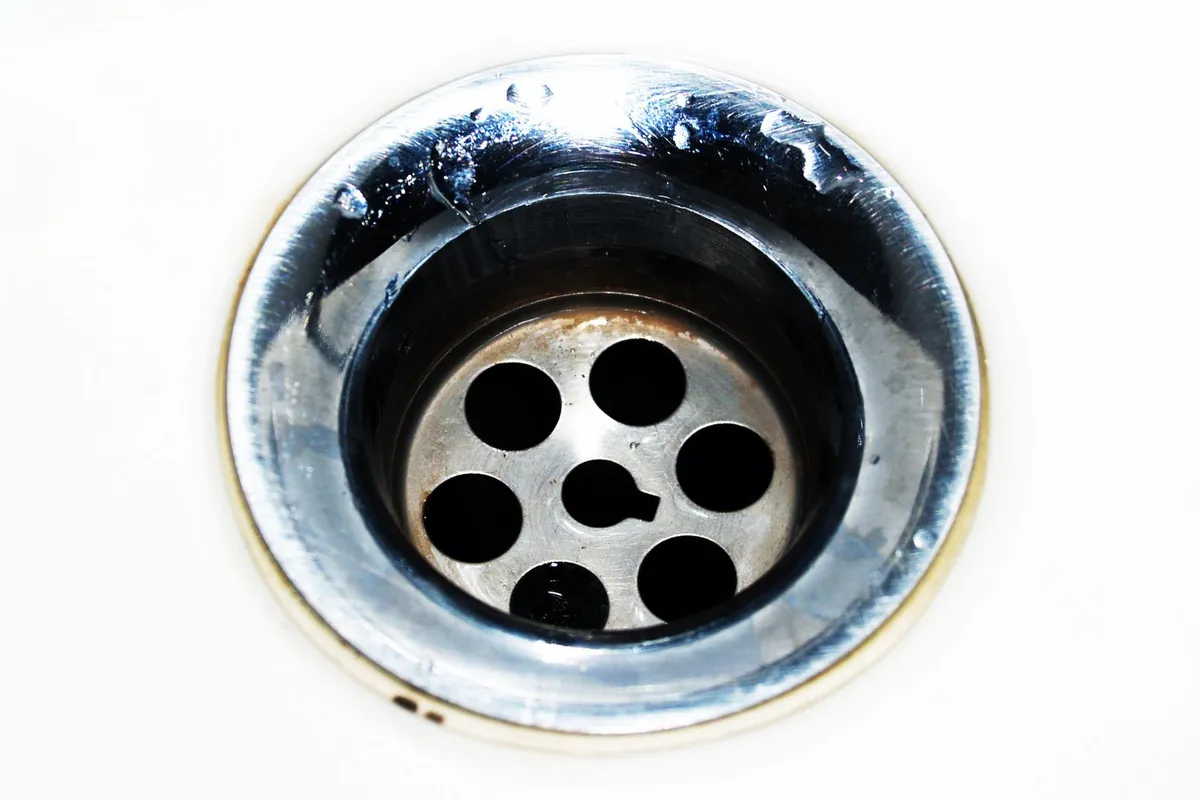
Quick answer: Drain cleaning clears clogs from sinks, tubs, showers, floor drains and the main line using hand or machine augers, and, for heavy buildup, a water jetter. A good plumber also finds the cause. The EPA's Report to Congress found that grease is the most common cause of reported sewer blockages.
What drain cleaning includes
- Diagnosis: which fixtures are slow, where the clog is likely to be, and the best access point.
- Trap cleaning for sinks and tubs, including removal of hair, soap and debris.
- Drum or cable augering through branch lines and the main drain.
- Cleanout access on the main line, so the house is not opened up.
- Camera inspection when clogs return or more than one drain is slow.
- Flow test of every affected fixture after the clog is cleared.
- Advice on prevention based on what came out of the pipe.
Common clogs and where they form
| Drain | Usual cause | Typical fix |
|---|---|---|
| Bathroom sink | Hair, toothpaste, soap scum | Pop-up and trap cleaning, small auger |
| Tub and shower | Hair and soap that bind into a mat | Drum auger through the overflow or drain |
| Kitchen sink | Grease, food scraps, coffee grounds | Cable auger to the stack; jetting for heavy grease |
| Toilet | Wipes, paper towels, too much paper | Closet auger; pull the toilet if needed |
| Floor or laundry drain | Lint, sand, sediment | Auger and flushing; lint trap on the washer hose |
| Main line | Roots, grease, sags, collapsed pipe | Machine auger, then camera; hydro jetting or sewer repair |
The drain cleaning process, step by step
- Ask and look. The plumber asks which drains are slow, runs water and listens for gurgling to judge where the clog sits.
- Protect the area. Floors and finishes are covered, and the fixture is drained down.
- Choose the access. A trap, an overflow, a toilet flange or an outdoor cleanout gives the most direct route to the clog.
- Clear the line. An auger with the right head, such as a spade, cutter or retrieval head, breaks up or pulls out the blockage.
- Check the result. Water is run at full flow for several minutes. On main lines, a camera shows whether roots, sags or breaks remain.
- Explain the cause. You see what came out and get advice to stop it happening again.
Signs of a main drain clog
- Two or more fixtures drain slowly at the same time.
- The toilet bubbles or the tub drain backs up when the washing machine empties.
- Water rises in a basement floor drain or the lowest shower.
- You hear gurgling in drains after flushing.
- A sewage smell comes from floor drains.
A main line clog affects the whole house, so stop running water and call. Pushing more water into a blocked main can flood the lowest drain.
Snake, jetter or camera: which tool when
A drain snake (auger) is a coiled steel cable that bores through a blockage. It is the right first tool for most sink, tub and toilet clogs. A sewer camera is a waterproof camera on a push cable that shows the inside of the pipe. It finds roots, breaks, sags called "bellies," and offset joints. Hydro jetting sprays water at high pressure to scour grease, scale and roots off the whole pipe wall. Jetting is best for main lines with recurring buildup, once the camera shows the pipe can take the pressure.
Why grease and wipes cause so many clogs
Fats, oils and grease go down the drain warm and liquid, then cool and stick to pipe walls. Each layer catches more food and soap. The EPA lists grease and some products labeled "flushable," such as baby wipes and facial wipes, among the materials that block sewers. Wipes do not break apart like toilet paper, and they snag on rough spots and roots. Keeping both out of your drains prevents most kitchen and toilet clogs.
What affects the cost of drain cleaning
- Which drain is blocked, and how far from an access point the clog sits.
- Whether the toilet has to be pulled or a cleanout has to be found or added.
- Main line versus a single fixture.
- Camera inspection or hydro jetting.
- Time of day, if the backup cannot wait.
DIY or call a professional?
A plunger, a plastic drain stick or cleaning a sink trap can clear many single-fixture clogs. Call a plumber when the clog comes back within weeks, when more than one drain is slow, when water backs up into another fixture, or when you have already used a chemical cleaner. Rented machine augers can tear up old pipes and injure hands if used the wrong way.
How to keep drains clear
- Wipe greasy pans with a paper towel before washing them.
- Use a hair catcher in tubs and showers, and empty it weekly.
- Flush only toilet paper.
- Run hot water for a few seconds after using the garbage disposal.
- Pour water into rarely used floor drains every few weeks to keep the trap full.
Drain cleaning questions
How do I know if the clog is in the main drain?
If more than one fixture is slow, if the toilet gurgles when the washer drains, or if water comes up in a tub or floor drain, the blockage is likely in the main line. A single slow sink is usually a branch clog near that fixture.
Are chemical drain cleaners safe for my pipes?
They can heat up, damage older pipes and finishes, and splash on skin and eyes. They also rarely clear hair or grease fully. If you have used one, tell the plumber before they start work, for their safety.
What is the difference between snaking and hydro jetting?
A snake, or auger, bores through a clog and opens a path. Hydro jetting uses high-pressure water to scour the full pipe wall, which removes grease and scale buildup. Jetting is used on main lines once a camera shows the pipe is sound.
How often should drains be cleaned?
Most homes only need drain cleaning when a clog forms. Homes with old cast iron pipes, big trees near the sewer line or heavy kitchen use may benefit from a main-line cleaning every year or two.
Why does my drain smell even when it is not clogged?
A dry P-trap, a blocked roof vent or buildup in the drain can all let odors through. Running water in rarely used drains refills the trap. If the smell stays, a plumber can check the trap, vent and sewer connection.
Related plumbing services
Hydro jetting
High-pressure water scours grease, scale and roots out of main drain and sewer lines.
Sewer line repair
Camera inspection, root removal, spot repairs and trenchless sewer line replacement.
Emergency plumbing
Burst pipes, overflowing toilets, no water or a sewer backup, handled day or night.
Sources
- EPA: Sanitary sewer overflow frequent questions
- EPA: Controlling fats, oils and grease discharges (fact sheet)
- EPA WaterSense: Fix a Leak Week
Last reviewed November 19, 2026 by PipeMend Editorial. General information, not legal, insurance or professional advice. Read our editorial policy.
Leak, clog or no hot water?
Call PipeMend 24/7 to get a licensed plumber started on the fix.
Call 1-800-555-0199