
Faucet Repair and Installation
A drip that never stops, a handle that won't shut off, or a puddle in the cabinet under the sink. PipeMend plumbers repair and replace kitchen, bathroom, tub and shower faucets.
- Drips and leaks
- Kitchen, bath and tub
- New faucet installation
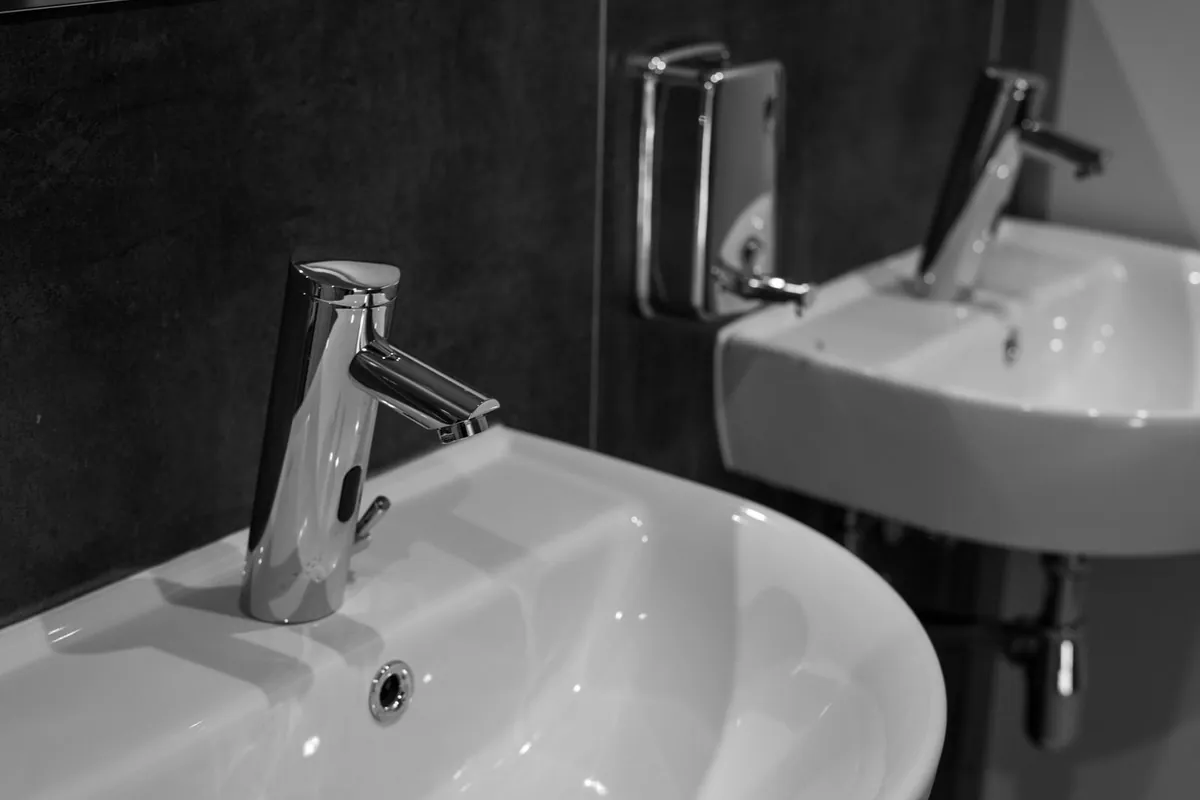
Quick answer: Faucet repair stops drips and leaks by replacing worn cartridges, washers, O-rings, valve seats and supply lines. When the faucet body is corroded or parts are no longer made, a plumber installs a new faucet. The EPA says a faucet dripping once per second can waste more than 3,000 gallons of water a year.
What faucet repair includes
- Drip repair: cartridges, ceramic discs, washers, O-rings and seats.
- Leak repair at the base, handle, spout or the supply lines under the sink.
- Shutoff valve replacement when the valves under the sink won't close or leak.
- Low-flow fixes: aerator and cartridge cleaning.
- Tub and shower valves: cartridges, stems and pressure-balance valves.
- Kitchen faucets: pull-down sprayers, side sprayers and hoses.
- New faucet installation, plus haul-away of the old one.
Faucet types and what wears out
| Faucet type | How it works | Part that usually fails |
|---|---|---|
| Cartridge | A cartridge moves to open and mix water | Cartridge or its O-rings |
| Ceramic disc | Two ceramic discs slide to control flow | Seals; discs if cracked by debris |
| Ball | A slotted ball rotates under one handle | Seats, springs and O-rings |
| Compression | A rubber washer presses on a seat (two handles) | Washer and valve seat |
| Sensor (touchless) | A sensor opens a solenoid valve | Battery, solenoid or sensor |
The faucet repair process
- Identify. The plumber finds the faucet brand and type so the right parts are used.
- Shut off. Water is closed at the valves under the sink, or at the main if those valves fail.
- Take apart and inspect. The handle and trim come off, and the cartridge, seats and seals are checked.
- Quote. You get the cost of repair, and of a new faucet if repair doesn't make sense.
- Repair or replace. Worn parts are replaced, or a new faucet is installed with new supply lines.
- Test. Hot and cold run, the drain is checked, and the cabinet is checked for leaks.
Leaks under the sink
Water in the sink cabinet doesn't always come from the faucet. It can come from a supply line, a shutoff valve, the drain trap, a dishwasher connection or a garbage disposal. A plumber dries the area and runs each part separately to find the source. Left alone, a slow cabinet leak swells particle board and feeds mold. If the leak is from the disposal, see garbage disposal repair.
New faucet installation
A new faucet has to match your sink. The plumber checks the number of holes in the sink or counter, the spacing, the reach of the spout over the basin, and the room under the sink. The EPA says WaterSense labeled bathroom faucets use no more than 1.5 gallons per minute. That is at least 30 percent less than the 2.2 gpm standard. Replacing old faucets and aerators with labeled models can save the average family about 700 gallons a year.
Tub and shower faucets
Tub and shower valves sit inside the wall. A drip from the tub spout or showerhead is usually a worn cartridge or stem. Many newer valves are pressure-balancing, which keeps water from turning scalding hot when someone flushes a toilet. The Consumer Product Safety Commission urges a water heater setting of 120°F to help prevent scalds. A plumber can also set the valve's limit stop so the handle can't turn past a safe temperature.
What affects the cost of faucet repair
- Faucet brand, type and part availability.
- Repair or full replacement.
- Seized shutoff valves or corroded supply lines.
- Tub and shower valves inside the wall, which take longer to reach.
- The new faucet, if you supply it or buy it through the plumber.
DIY or call a professional?
Cleaning an aerator or swapping a cartridge on a common faucet is a reasonable DIY job if the shutoff valves work. Call a plumber when the valves under the sink won't close, the faucet is corroded in place, a tub or shower valve is involved, or water is leaking inside the cabinet or wall.
Keep faucets working
- Clean aerators every few months in hard water areas.
- Don't force handles closed; that wears seals faster.
- Fix drips early, before mineral buildup damages the seat.
- Consider a water softener if scale keeps coming back.
Faucet repair questions
Why does my faucet keep dripping?
In most modern faucets, a worn cartridge or its O-rings let water past when the handle is off. Older compression faucets drip because the rubber washer or valve seat is worn. Mineral buildup can also keep parts from sealing.
How much water does a dripping faucet waste?
The EPA says a faucet dripping once per second can waste more than 3,000 gallons a year. That is water you pay for, and hot water drips also waste energy.
Should I repair or replace my faucet?
Repair usually makes sense when parts are available and the body is in good shape. Replace it when the faucet body is cracked or corroded, parts are no longer made, or you want a lower-flow or different-style faucet.
Why is my faucet's water pressure low?
If only one faucet is weak, the aerator or cartridge is often clogged with minerals or debris. If every fixture is weak, the cause is usually upstream, such as a pressure regulator, old galvanized pipe or a leak.
What does a WaterSense labeled faucet do?
The EPA says WaterSense labeled bathroom faucets use no more than 1.5 gallons per minute, at least 30 percent less than the 2.2 gpm standard flow, without giving up performance.
Related plumbing services
Toilet repair
Running, clogged, leaking or rocking toilets fixed or replaced.
Garbage disposal repair
Jammed, humming or leaking disposals repaired or swapped for a new unit.
Leak detection
Hidden leaks in walls, ceilings and yards found with acoustic, thermal and pressure tests.
Sources
- EPA WaterSense: Fix a Leak Week
- EPA WaterSense: Bathroom sink faucets and accessories fact sheet
- CPSC: Avoiding tap water scalds
Last reviewed November 19, 2026 by PipeMend Editorial. General information, not legal, insurance or professional advice. Read our editorial policy.
Leak, clog or no hot water?
Call PipeMend 24/7 to get a licensed plumber started on the fix.
Call 1-800-555-0199