
Gas Line Repair and Installation
Gas piping feeds your water heater, furnace, range and dryer. PipeMend plumbers repair leaks, pressure test lines and run new gas lines, with the permits gas work requires.
- Leak repair and testing
- New appliance lines
- Permits and inspection
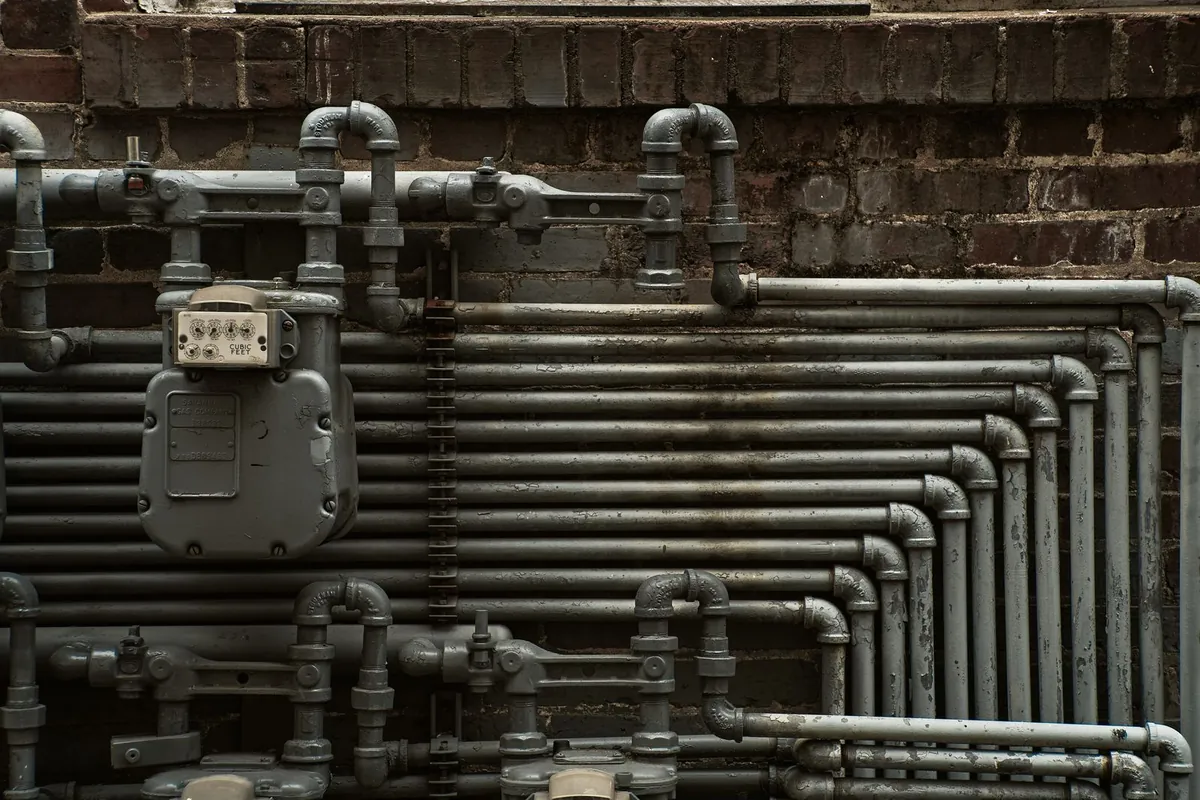
Smell gas? Leave the building now. Don't flip switches, use your phone indoors or start a car. Once you're a safe distance away, call 911 and your gas company. Call a plumber for repairs only after they say it's safe.
Quick answer: Gas line repair fixes leaks and damaged piping on your side of the gas meter, then pressure tests the system before the gas is turned back on. Gas line installation runs new piping to appliances such as ranges, dryers, water heaters, fireplaces, grills and standby generators. Gas work usually needs a permit and inspection, and it must be done by a qualified, licensed professional.
What gas line service includes
- Leak location with electronic gas detectors and leak solution at fittings.
- Pressure testing of the piping system.
- Repair or replacement of leaking fittings, valves and damaged pipe.
- New gas lines for appliances, outdoor kitchens, pool heaters and generators.
- Appliance shutoff valves and sediment traps.
- Load and sizing check so every appliance gets enough gas.
- CSST bonding checks where required.
- Permits, inspection and coordination with the gas utility for turn-on.
Signs of a gas line problem
| Sign | What it may mean | What to do |
|---|---|---|
| Rotten-egg smell | Gas leak (utilities add an odorant) | Leave, then call 911 and the gas company |
| Hissing or blowing sound near a line | Escaping gas | Leave, then call from outside |
| Dead or dying plants over a buried line | Underground leak | Call the gas utility |
| Bubbles in standing water outdoors | Underground leak | Call the gas utility |
| Higher gas bill with no change in use | Possible small leak | Schedule a leak test |
| Yellow, flickering burner flames, soot | Poor combustion, possible CO | Stop using it; have it checked |
PHMSA, the federal pipeline safety agency, lists odor, hissing sounds, dead vegetation and bubbling water among the signs of a gas leak.
The gas line repair process
- Make it safe. Gas is shut off at the meter or the appliance valve, and the area is ventilated.
- Find the leak. Detectors and leak solution pinpoint the fitting or section.
- Quote. You get a written estimate, including permit and inspection if needed.
- Repair. Fittings are remade or pipe is replaced with approved materials.
- Pressure test. The system holds test pressure for the required time with no drop.
- Restore service. Appliances are relit and checked, with the utility involved where required.
Running a new gas line
Adding a gas range, dryer, fireplace, grill or generator means more demand on your piping. The plumber totals the BTU ratings of all your appliances. Then the pipe size is matched to the length of the run and your gas pressure, following the fuel gas code your area uses, such as the International Fuel Gas Code or NFPA 54. Undersized lines starve appliances, causing poor burner performance or shutdowns. Each appliance gets its own shutoff valve.
Carbon monoxide and gas appliances
Gas appliances that aren't installed or vented right can produce carbon monoxide (CO), which you can't see or smell. The CPSC says most appliances should be installed by qualified professionals. It recommends CO alarms on every level of the home and outside sleeping areas, with battery backup. Interconnected alarms are best, so when one sounds, they all sound. See also water heater repair for venting checks on gas heaters.
What affects the cost of gas line work
- Repair or a new line, and the length of the run.
- Pipe material: black iron, CSST or underground polyethylene.
- Access through walls, floors, crawl spaces or yards.
- Upsizing if the existing system is too small for the added load.
- Permit, inspection and pressure test requirements.
DIY or call a professional?
Gas piping is not a DIY job. A small mistake can cause a fire, an explosion or carbon monoxide exposure, and most places require a licensed professional and a permit. What you can do: know where your meter shutoff is, keep appliance areas clear, and install CO alarms.
Gas safety at home
- Learn what natural gas smells like, so you recognize it.
- Call 811 before digging, so buried gas lines are marked.
- Have gas appliances and vents checked once a year.
- Keep the area around the meter clear and accessible.
Gas line questions
What should I do if I smell gas?
Leave the building right away and do not use light switches, phones, appliances or anything that could make a spark. Once you are a safe distance away, call 911 and your gas utility. Do not go back in until they say it is safe. A plumber repairs the leak after the area is made safe.
Who fixes a gas leak, the gas company or a plumber?
The gas utility handles its meter and the lines up to it, and responds to leak calls. Piping on your side of the meter, inside and outside the house, is usually yours to repair, using a qualified, licensed professional.
Do I need a permit for gas line work?
In most places, yes. New gas lines, extensions and many repairs need a permit and inspection, and some areas require a pressure test before the gas is turned back on.
Can a plumber add a gas line for a new stove or grill?
Yes. The plumber checks that your meter and existing piping can supply the added load, sizes the new line, runs it with a shutoff valve at the appliance, and pressure tests it before use.
What gas pipe materials are used in homes?
Common materials are black iron (steel) pipe, corrugated stainless steel tubing (CSST) and, outdoors underground, polyethylene. CSST must be bonded to the electrical system as the manufacturer and code require.
Related plumbing services
Water heater installation
Tank and heat pump water heaters sized, permitted and installed to code.
Water heater repair
No hot water, leaks, noises or a pilot that will not stay lit, on gas and electric tanks.
Emergency plumbing
Burst pipes, overflowing toilets, no water or a sewer backup, handled day or night.
Sources
- PHMSA: Pipeline leak recognition and what to do
- CPSC: Carbon monoxide fact sheet
- CPSC: Carbon monoxide information center
Last reviewed November 19, 2026 by PipeMend Editorial. General information, not legal, insurance or professional advice. Read our editorial policy.
Leak, clog or no hot water?
Call PipeMend 24/7 to get a licensed plumber started on the fix.
Call 1-800-555-0199