
Emergency Plumber, 24/7
A burst pipe can spill gallons a minute, and a sewer backup is a health risk. Call PipeMend any hour and a licensed plumber who covers your area gets the water stopped and the repair started.
- Burst and frozen pipes
- Sewer backups
- Nights, weekends, holidays
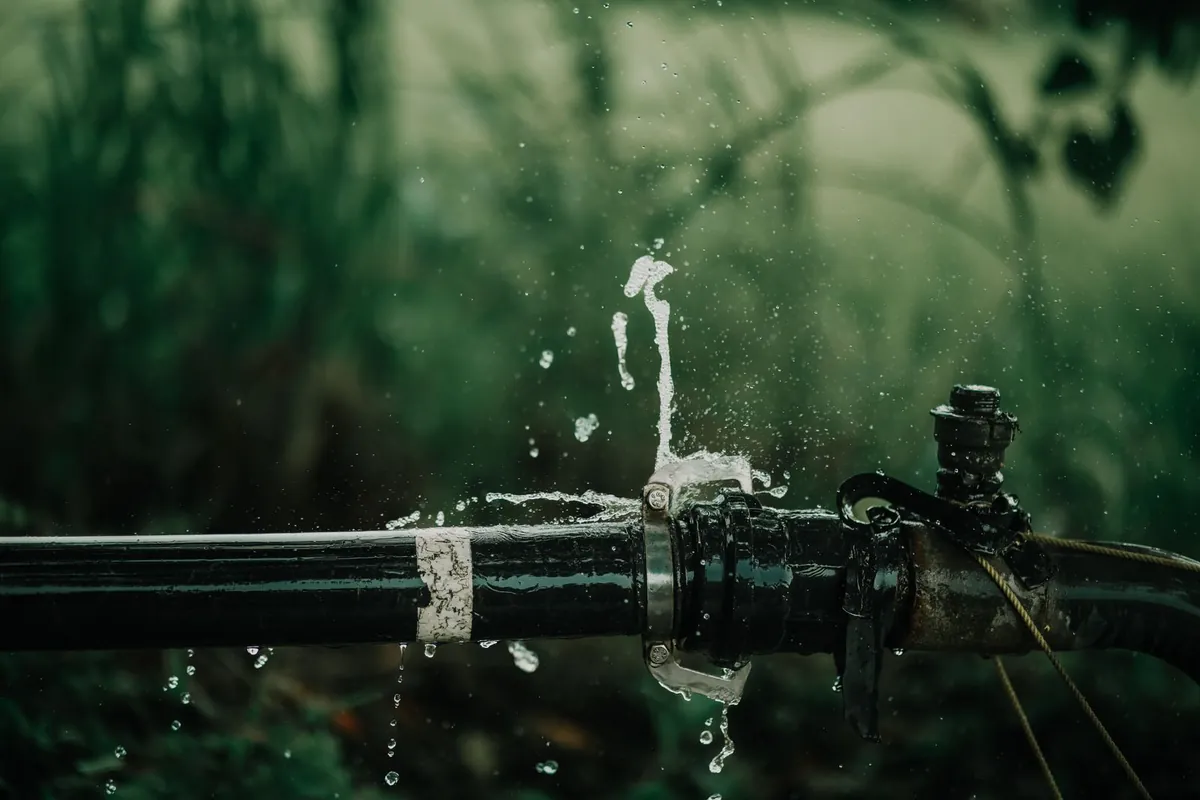
Quick answer: An emergency plumber stops active leaks, clears sewer backups and restores water when it cannot wait until morning. Close your main shutoff valve first, then call 1-800-555-0199. The EPA advises drying wet materials within 24 to 48 hours to prevent mold, so speed matters.
What emergency plumbing includes
- Water shutoff help by phone, including finding a stuck or hidden main valve.
- Burst and leaking pipe repair on copper, PEX, CPVC and galvanized lines.
- Frozen pipe thawing and repair of splits found after the thaw.
- Sewer and drain backups cleared with an auger or water jetter, with a camera check of the cause.
- Overflowing toilets and failed fill valves or supply lines.
- Leaking water heaters drained, shut down safely and assessed for repair or replacement.
- No water to the house, traced to the meter, main line, pressure regulator or a frozen section.
Is it an emergency? A quick guide
| What is happening | Emergency? | Do this first |
|---|---|---|
| Pipe burst or water spraying | Yes | Close the main shutoff valve |
| Sewage in a tub, shower or floor drain | Yes | Stop using all water and drains |
| Gas smell or hissing near a gas line | Yes | Leave the building, then call 911 |
| Water heater leaking from the tank | Yes | Close the cold inlet valve; shut off gas or power |
| No water anywhere in the house | Yes, in most cases | Ask neighbors and the water utility if service is out |
| Toilet overflowing | Usually | Close the valve behind the toilet |
| One slow drain or a dripping faucet | No | Book a weekday drain cleaning or repair |
What to do while you wait for the plumber
- Shut off the water. The main valve is usually where the water line enters the house: in a basement, crawl space, garage or utility closet. Turn a round handle clockwise. Turn a lever a quarter turn so it crosses the pipe.
- Keep clear of electricity. Do not stand in water near outlets or the electrical panel. Switch off a circuit only from a dry spot.
- Drain the lines. Open a faucet on the lowest floor to empty the pipes and relieve pressure.
- Protect the water heater. If the water will be off for a while, set a gas heater to "off" or turn off an electric heater's breaker.
- Move valuables and start drying. Mop, use towels and run fans. Photograph the damage first for insurance.
Burst and frozen pipes
Water expands as it freezes, which can split copper or plastic pipe. Pipes in exterior walls, attics, crawl spaces and garages are most at risk. The American Red Cross says to keep a faucet open while you warm a frozen pipe with a hair dryer, heating pad or warm towels. Never use a torch, kerosene heater or any open flame. If you cannot find or reach the frozen section, call. Many splits only show up once the ice melts and water flows again, so watch for new leaks after a thaw.
Sewer backups
When several drains back up at once, the blockage is usually in the main drain or sewer line, not a single fixture. The EPA lists fats, oils and grease, wipes labeled "flushable," and tree roots among the causes of sewer blockages. Stop running water, keep children and pets away, and do not use chemical drain openers on sewage. The EPA says areas flooded by sewage must be cleaned and disinfected, and that carpet, wallboard and upholstered items that touched sewage usually need to be replaced. A plumber clears the line, then runs a camera to find the cause. Repeated backups often point to sewer line repair.
Gas smell
A rotten-egg smell, a hissing sound or bubbles in standing water near a gas line can mean a leak. PHMSA, the federal pipeline safety agency, says to leave the area at once on foot, avoid anything that could make a spark, and call 911 from a safe distance. Then call your gas company. Once the utility has made the area safe, a plumber licensed for gas work can find and repair the leak and pressure-test the line.
Emergency plumber vs. water damage cleanup
A plumber stops the source and repairs the pipe, fixture or water heater. Large areas of soaked carpet, drywall or insulation often need a separate drying and cleanup crew. Ask your insurer which they want documented first. The Insurance Information Institute says standard homeowners policies cover burst pipes, but sewer backups are often excluded unless you added sewer backup coverage.
What affects the cost of an emergency plumber
- Time of day: nights, weekends and holidays can cost more.
- Access: pipes behind tile, in ceilings or under slabs take longer to reach.
- Cause: a split supply line is quicker than a root-blocked sewer.
- Equipment: camera inspection or hydro jetting adds equipment time.
- Follow-up work: permits, drywall repair or pipe replacement may come later.
DIY or call a professional?
You can close valves, plunge a single toilet and thaw an exposed pipe with gentle heat. Call a plumber when water will not stop, when the leak is inside a wall or ceiling, when more than one drain backs up, or when gas or sewage is involved.
Emergency plumbing questions
What counts as a plumbing emergency?
Water you cannot stop, sewage coming up a drain, no water at all, a gas smell, or a leak near electrical wiring. A slow drain or a dripping faucet can usually wait for a weekday visit.
Do emergency plumbers charge more at night?
Often, yes. Nights, weekends and holidays can cost more than a weekday visit. You are told the price basis before work begins, and the full job is priced in a written estimate.
Can a plumber fix a burst pipe the same day?
Usually the leak can be stopped and the pipe repaired in one visit, often with a section of new pipe or a repair coupling. Pipe inside a finished wall may need the drywall opened, which is patched later.
Should I turn off my water heater during a plumbing emergency?
If the main water is shut off for more than a short time, or the water heater itself is leaking, turn the gas control to off or switch off its breaker. A tank that runs without water flowing in can be damaged.
Is sewage backup an emergency?
Yes. Sewage carries germs, and the EPA says areas flooded by sewage must be cleaned and disinfected. Stop using water in the home, keep people and pets away, and call.
Related plumbing services
Pipe repair and repiping
Burst, corroded or leaking pipes repaired, or whole-home repiping in PEX or copper.
Sewer line repair
Camera inspection, root removal, spot repairs and trenchless sewer line replacement.
Water heater repair
No hot water, leaks, noises or a pilot that will not stay lit, on gas and electric tanks.
Sources
- American Red Cross: Preventing and thawing frozen pipes
- PHMSA: Pipeline leak recognition and what to do
- EPA: Sanitary sewer overflow frequent questions
- EPA: A brief guide to mold, moisture and your home
- Insurance Information Institute: How to protect your home from water damage
Last reviewed November 19, 2026 by PipeMend Editorial. General information, not legal, insurance or professional advice. Read our editorial policy.
Leak, clog or no hot water?
Call PipeMend 24/7 to get a licensed plumber started on the fix.
Call 1-800-555-0199