
Sewer Line Repair and Replacement
Backups in every drain, a soggy patch in the yard or a sewer smell outside. A PipeMend plumber puts a camera in the line, shows you the damage, and explains dig and trenchless repair options.
- Camera inspection first
- Trenchless options
- Root and break repair
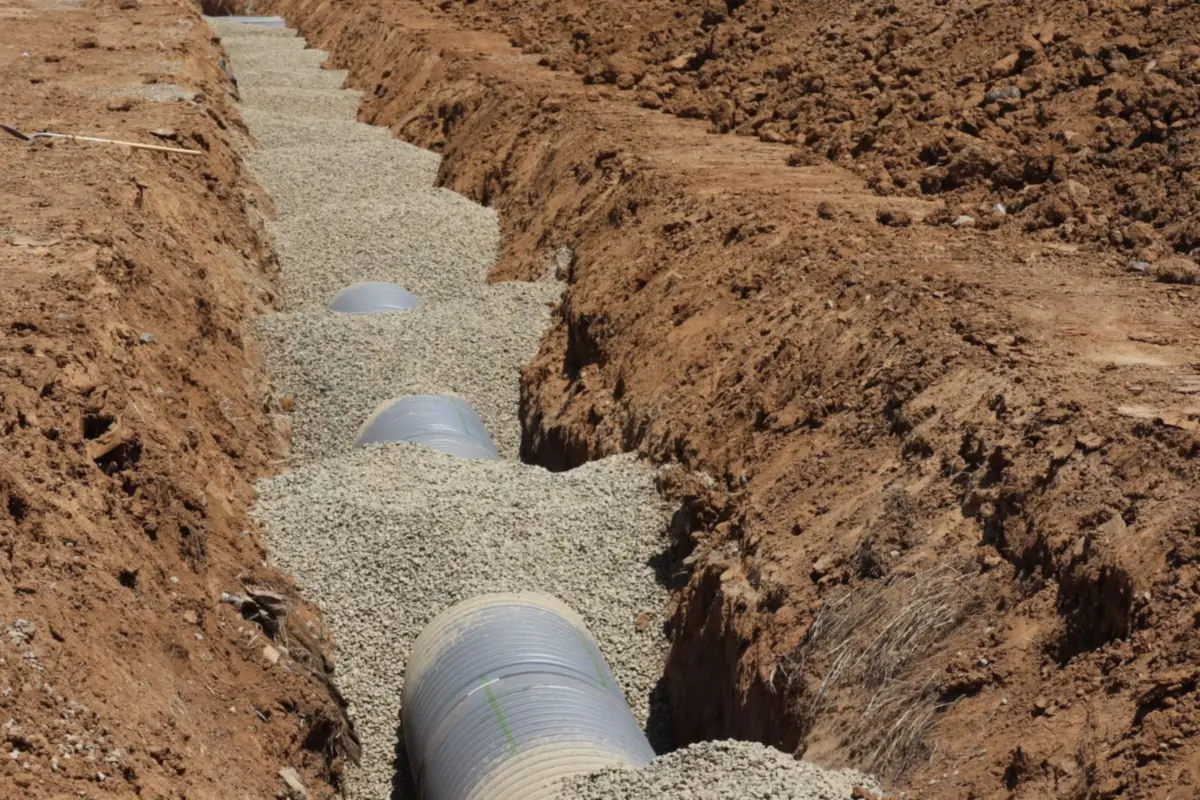
Quick answer: Sewer line repair fixes the pipe that carries waste from your house to the public sewer. The plumber first runs a camera through the line to find cracks, roots, offset joints or sagging sections. Then the fix is a spot repair, a full replacement by digging, or a trenchless method such as pipe lining or pipe bursting.
What sewer line repair includes
- Video camera inspection through a cleanout or the toilet flange, with a recording you can keep.
- Line locating to mark the pipe's path and depth from the surface.
- Clearing with a cable machine or hydro jetting before repair or lining.
- Spot repair of a single broken section or joint.
- Trenchless options: cured-in-place pipe (CIPP) lining and pipe bursting.
- Open-trench replacement when the pipe has collapsed or has a long sag (a "belly").
- Cleanout installation for easier service later.
- Permits, locates and inspection where your city requires them.
What goes wrong in sewer lines
| Problem | What causes it | Usual fix |
|---|---|---|
| Root intrusion | Roots enter at cracks and loose joints | Cut and clear, then line or replace |
| Cracked or broken pipe | Age, soil movement, heavy loads | Spot repair, lining or replacement |
| Offset joints | Settling soil shifts pipe sections | Spot repair or replacement |
| Belly (sag) | Soil settles under the pipe; waste pools | Dig and re-grade that section |
| Corroded cast iron | Decades of wear inside the pipe | Descale and line, or replace |
| Collapsed Orangeburg or clay | Older materials fail with age | Pipe bursting or open-trench replacement |
| Grease buildup | Fats, oils and grease poured down drains | Hydro jetting |
The EPA lists grease, so-called "flushable" wipes, tree roots and leaky or broken sewer pipes among the causes of sewer overflows and backups.
The sewer line repair process
- Clear the line. If there is a backup, the plumber opens the line first so the house is usable.
- Inspect with a camera. The camera shows the pipe material, the defects and their distance from the access point.
- Locate. A locator marks where and how deep the problem is. Utility lines are marked through 811 before any digging.
- Choose the method. You get a written quote with options, such as spot repair, lining or replacement.
- Permit and repair. The work is done, with an inspection where your city requires one.
- Verify. A final camera run shows the repaired line, and the yard or floor is restored as agreed.
Trenchless sewer repair vs. digging
Trenchless methods replace most of a trench with one or two small access pits. That can save driveways, landscaping and slabs.
- Pipe lining (CIPP): a resin-soaked felt liner is pulled or inverted into the old pipe, then cured to form a new, jointless pipe inside the old one. It needs the host pipe to keep its shape and be cleaned first.
- Pipe bursting: a bursting head pulls new HDPE pipe through the old line, breaking the old pipe outward as it goes. It works on badly broken pipe and can upsize the line.
- Open trench: still the right choice for bellies, collapsed sections that a liner can't pass, or very short, shallow repairs.
Not every line qualifies for trenchless work. The camera inspection decides that, not a sales pitch.
Signs you need a sewer camera inspection
- More than one drain backs up, or the basement floor drain overflows.
- Toilets gurgle when the washer drains or the tub empties.
- The same main line clog comes back within months.
- You smell sewage outside or see a wet, sunken or bright green strip in the yard.
- You are buying a home built more than 30 years ago.
After a sewage backup
The EPA says areas flooded by sewage must be cleaned and disinfected, and that porous items such as carpet and drywall that got wet may need to be replaced. Keep children and pets away and wear gloves. Take photos for your insurer before cleanup. Large backups usually need a water damage restoration company as well as a plumber.
What affects the cost of sewer line repair
- Length and depth of the pipe, and what sits over it: lawn, driveway or slab.
- Pipe material and condition.
- Repair method: spot repair, lining, bursting or open trench.
- Permit, inspection and city connection fees.
- Surface restoration such as concrete or landscaping.
DIY or call a professional?
You can run water in short bursts to test drains and keep grease and wipes out of the line. Sewer repair involves excavation, utility locates, permits and connections to the public sewer, so hire a licensed plumber. Do not open a cleanout when the line is full of sewage; it can spill under pressure.
Prevent sewer line problems
- Throw wipes, even "flushable" ones, in the trash.
- Collect cooking grease in a can, not the sink.
- Plant trees well away from the sewer line's path.
- Ask about a backwater valve if the city sewer has backed up in your area.
- Schedule maintenance cleaning if roots are a known problem.
Sewer line repair questions
How do I know if my sewer line is broken?
Warning signs include several drains backing up at once, gurgling toilets, sewage in the lowest drain or floor drain, sewer odor outdoors, soggy or extra-green patches in the yard, and repeat clogs that come back soon after cleaning. A camera inspection confirms it.
Who is responsible for the sewer line, me or the city?
In most U.S. cities, the homeowner owns the sewer lateral from the house to the city main, or at least to the property line or a cleanout. Rules vary, so check with your local sewer utility.
What is trenchless sewer repair?
Trenchless repair fixes or replaces the pipe through small access points instead of a full trench. The two main methods are pipe lining (cured-in-place pipe) and pipe bursting.
Can tree roots be removed from a sewer line for good?
Cutting or jetting removes roots, but they grow back through cracks and loose joints. A lasting fix seals the pipe with a liner or replaces the damaged section.
Does homeowners insurance cover sewer line repair?
Standard policies often exclude wear, roots and sewer backups. Some insurers sell a separate sewer backup or service line endorsement. Check your policy and talk to your agent.
Related plumbing services
Drain cleaning
Slow and clogged sink, tub, shower and floor drains cleared with augers and cameras.
Hydro jetting
High-pressure water scours grease, scale and roots out of main drain and sewer lines.
Emergency plumbing
Burst pipes, overflowing toilets, no water or a sewer backup, handled day or night.
Sources
- EPA: Sanitary sewer overflow frequent questions
- EPA: Combined and sanitary sewer technology descriptions (sewer cleaning)
- Insurance Information Institute: How to protect your home from water damage
Last reviewed November 19, 2026 by PipeMend Editorial. General information, not legal, insurance or professional advice. Read our editorial policy.
Leak, clog or no hot water?
Call PipeMend 24/7 to get a licensed plumber started on the fix.
Call 1-800-555-0199