
Water Heater Installation and Replacement
A new water heater should last a decade or more, so sizing and installation matter. PipeMend plumbers help you choose the right type and size, pull the permit and install it to code.
- Gas, electric and heat pump
- Sizing and permits
- Old unit hauled away
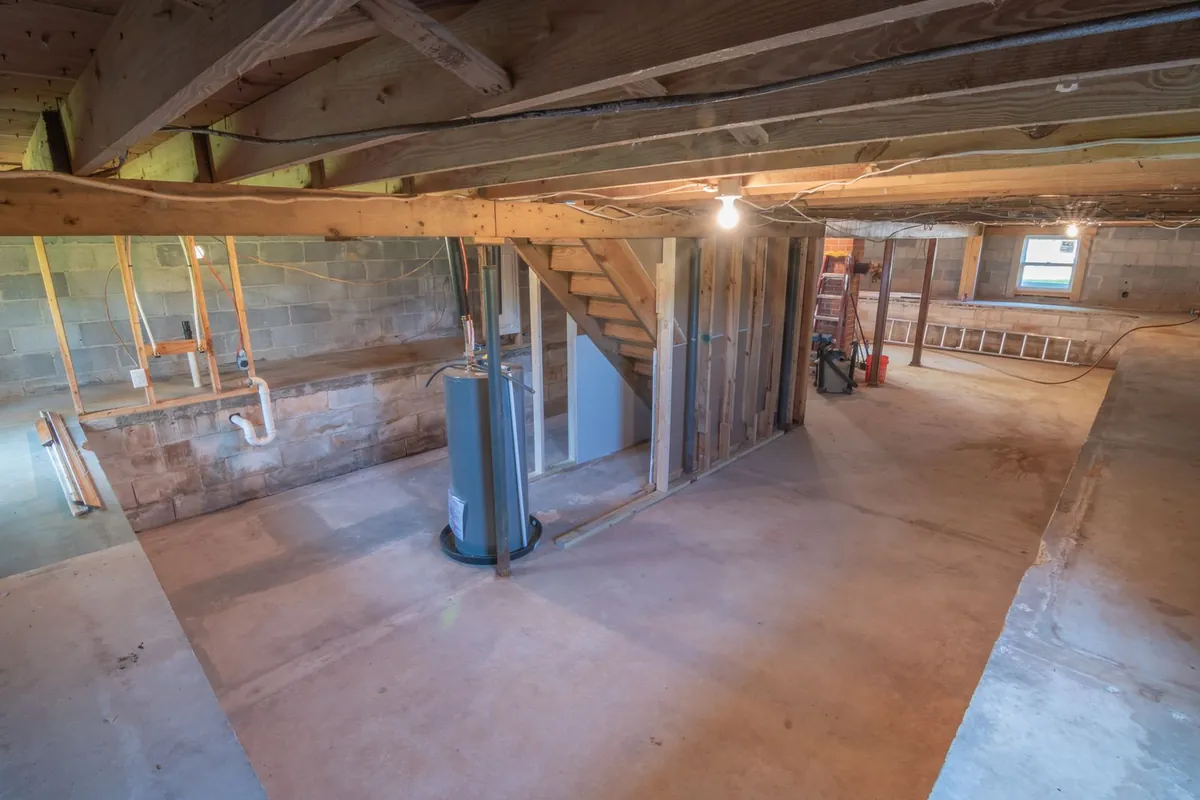
Quick answer: Water heater installation replaces a failed or aging heater with a new gas, electric or heat pump unit sized to your household. A proper install includes a permit where required, correct venting and gas or electric hookup, a new relief valve and discharge line, and code updates such as an expansion tank. Most storage heaters last 10 to 15 years, according to the Department of Energy.
What water heater installation includes
- Sizing by household size, peak hot water use and the heater's first-hour rating.
- Type and fuel advice: gas, electric, heat pump or tankless.
- Permit pulled and inspection scheduled where your city or county requires it.
- Removal of the old heater: draining, disconnecting and hauling it away.
- New connections: water lines with shutoff, gas line with sediment trap and shutoff, or electric wiring.
- Venting checked or updated for gas units.
- Safety parts: new T&P relief valve and discharge line, drain pan where needed, seismic straps where required, expansion tank where required.
- Start-up and testing for leaks, combustion and outlet temperature.
Choosing a water heater type
| Type | How it works | Good fit when |
|---|---|---|
| Gas tank | Burner heats a stored tank; needs a vent | Gas is available; you want strong recovery and a lower upfront price |
| Electric tank | Two elements heat a stored tank; no vent | No gas service; simple installs |
| Heat pump (hybrid) | Moves heat from the room air into the tank | Electric homes with space and air around the unit; lowest running cost |
| Tankless | Heats water only as it flows | Limited space, steady long showers; see tankless water heaters |
ENERGY STAR says a labeled heat pump water heater can save a household of four about $550 a year on electric bills compared with a standard electric heater. The Department of Energy says heat pump water heaters can be two to three times more efficient than standard electric models.
The water heater replacement process
- Assess. The plumber checks the old heater, the space, the venting, the gas line or circuit, and your water pressure.
- Size and quote. You choose a type and size and get a written estimate that includes the permit and code items.
- Shut down and drain. Gas or power is shut off, the water supply closed and the old tank drained.
- Remove and set. The old unit comes out; the new heater is set level, on a pan or stand where needed.
- Connect. Water lines, the gas line or wiring, the vent, the relief valve and its discharge line are installed.
- Fill and fire. The tank is filled before any burner or element is turned on, which prevents element damage.
- Test and inspect. Joints are checked for leaks, gas units for draft and combustion, and the temperature is set. The inspector signs off where a permit applies.
Sizing: why bigger is not always better
A tank that is too small runs out of hot water. One that is too large wastes energy keeping water hot that you do not use. For tank heaters, look at the first-hour rating on the label, which is the gallons of hot water it can deliver in one busy hour. Add up your household's peak hour, such as two showers, a load of laundry and the dishwasher. Then pick a heater that meets that number.
Code items that often come with a new heater
Codes have changed since many older heaters went in, so a replacement can bring items up to date. These vary by place and are listed in your estimate:
- Thermal expansion tank when the home has a check valve or pressure regulator.
- Drain pan with a drain line when the heater sits where a leak would cause damage, such as an attic.
- Seismic straps in earthquake areas, such as California.
- Gas sediment trap and an accessible gas shutoff.
- Elevation of gas burners off a garage floor where the code requires it.
- Vent updates when a new high-efficiency gas heater needs a different vent.
What affects the cost of water heater installation
- Type, fuel and capacity of the new heater.
- Location: basement, garage, closet or attic.
- Venting, gas line or electrical changes.
- Code items such as an expansion tank, pan or straps.
- Permit fees and haul-away of the old unit.
DIY or call a professional?
Water heater installation involves gas or 240-volt wiring, venting of combustion gases and a pressure relief system. Many areas require a licensed plumber and a permit. Manufacturer warranties may also require professional installation. This is a job to hire out.
After installation
- Keep the temperature at about 120°F. The CPSC urges that setting to prevent scalds.
- Drain a little water from the tank every few months to clear sediment, as the Department of Energy suggests.
- Register the warranty with the manufacturer.
- Keep the permit sign-off with your home records.
Water heater installation questions
What size water heater do I need?
For tank heaters, the key number is the first-hour rating: how much hot water the heater delivers in a busy hour. Plumbers estimate your peak hour use from showers, laundry and the dishwasher, then match a heater that meets it.
Do I need a permit to replace a water heater?
In most places, yes. Water heaters involve gas or high-amp electric, venting and a pressure relief valve, so many cities and counties require a permit and inspection. The plumber can pull it.
How long does water heater replacement take?
A like-for-like swap often takes a few hours. Moving the heater, switching fuel types, or adding venting, a gas line or a new circuit takes longer.
Is a heat pump water heater worth it?
For many homes with an electric water heater, yes. ENERGY STAR says a labeled heat pump water heater can save a family of four about $550 a year compared with a standard electric model. It needs enough space and air around it, so ask about your location.
What is a thermal expansion tank, and do I need one?
Water expands as it heats. In homes with a check valve or pressure regulator on the main line, that extra volume has nowhere to go, which stresses the tank and relief valve. A small expansion tank absorbs it. Many local codes require one in those homes.
Related plumbing services
Water heater repair
No hot water, leaks, noises or a pilot that will not stay lit, on gas and electric tanks.
Tankless water heaters
Gas and electric tankless units installed, descaled and repaired.
Gas line repair
Gas leaks, new appliance hookups and gas line repairs, pressure-tested to code.
Sources
- U.S. Department of Energy: Energy Saver guide (water heating)
- ENERGY STAR: Benefits and savings of heat pump water heaters
- CPSC: Avoiding tap water scalds
Last reviewed November 19, 2026 by PipeMend Editorial. General information, not legal, insurance or professional advice. Read our editorial policy.
Leak, clog or no hot water?
Call PipeMend 24/7 to get a licensed plumber started on the fix.
Call 1-800-555-0199