
Toilet Repair and Installation
A toilet that runs all night, rocks on the floor or clogs every week wastes water and money. PipeMend plumbers fix the flapper, fill valve, wax ring and flange, or install a new water-saving toilet.
- Running and leaking toilets
- Clogs and weak flushes
- New toilet installation
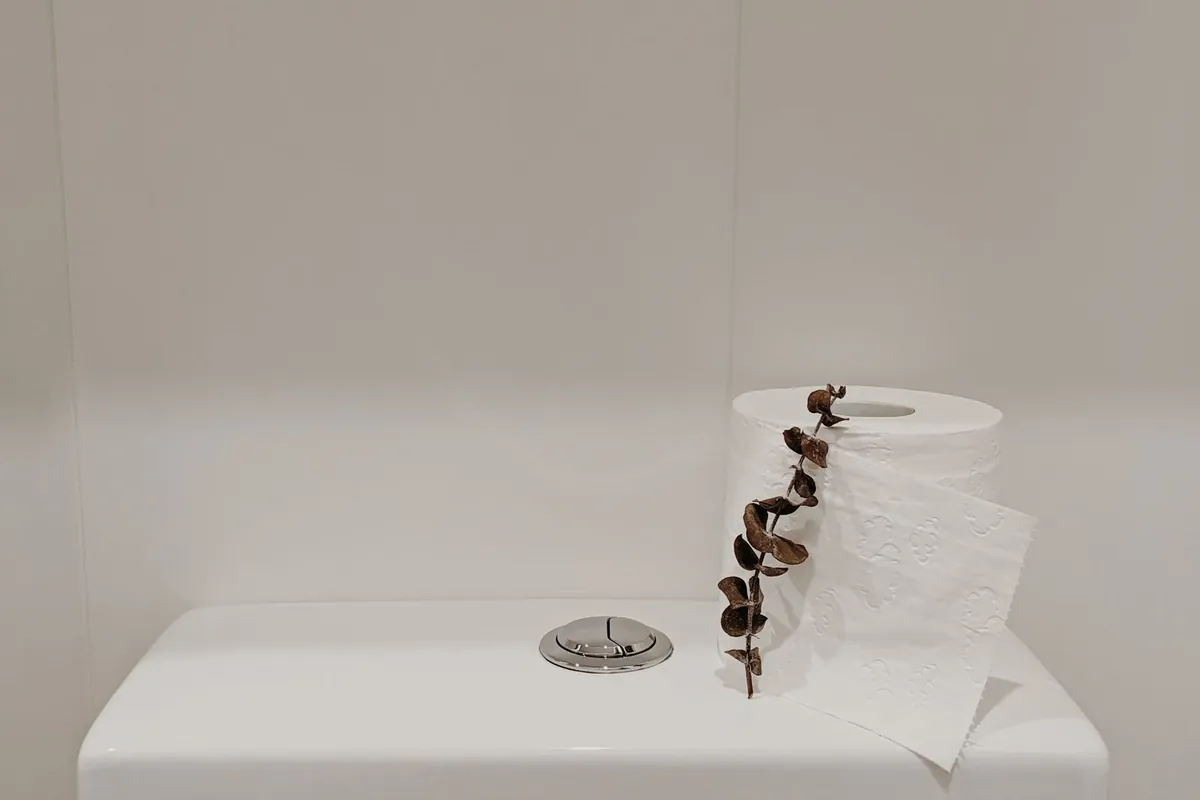
Quick answer: Toilet repair fixes the parts that wear out: flappers, fill valves, flush valves, handles, wax rings and closet flanges. A running toilet is usually a worn flapper or a misadjusted fill valve. Water at the base usually means a failed wax ring. When a toilet is cracked or clogs often, a new WaterSense labeled toilet uses 1.28 gallons per flush or less.
What toilet repair includes
- Running toilet repair: flapper, flush valve, fill valve and chain adjustment.
- Leak repair at the tank bolts, supply line, shutoff valve and base.
- Wax ring and flange repair for a toilet that rocks or leaks at the floor.
- Clog clearing with a closet auger, and a drain line check if clogs keep coming back.
- Weak flush fixes: water level, rim jets and siphon jet cleaning.
- New toilet installation, including the shutoff valve and supply line.
- Removal of the old toilet.
Toilet problems and their usual causes
| Symptom | Usual cause | Fix |
|---|---|---|
| Runs or refills on its own | Worn flapper or flush valve seat | Replace flapper or flush valve |
| Water spills into the overflow tube | Fill valve set too high or failing | Adjust or replace the fill valve |
| Slow to refill or hisses | Clogged or worn fill valve | Clean or replace the fill valve |
| Water on the floor at the base | Failed wax ring, loose or broken flange | Pull and reset; repair the flange |
| Weak or incomplete flush | Low tank water, mineral-clogged rim jets | Adjust and clean jets |
| Clogs often | Wipes, a partial drain clog, older low-flow design | Clear the drain; consider replacement |
| Rocks or wobbles | Loose bolts, broken flange, soft subfloor | Repair flange; check floor |
The toilet repair process
- Inspect. The plumber checks the tank parts, the shutoff valve, the supply line and the seal at the floor.
- Test. A dye test and a flush test show where water is going.
- Quote. You get a written estimate for the repair, and for replacement if the toilet is cracked or worn out.
- Repair. Worn parts are replaced with parts that fit your toilet's brand and flush valve size.
- Reset if needed. For base leaks, the toilet is pulled, the flange checked, and the toilet reset on a new wax or wax-free seal.
- Test again. Several flushes confirm a full flush, a correct refill and no leaks.
A running toilet wastes more than you think
The EPA's WaterSense program says leaks in the average home waste about 9,300 gallons a year, and toilets are a common source. A silent flapper leak can run for months before anyone notices. Its simple test: add a few drops of food coloring to the tank and wait 10 minutes without flushing. If color shows in the bowl, the flapper is leaking.
New toilet installation
Federal standards set 1.6 gallons per flush as the maximum for new toilets. The EPA says WaterSense labeled toilets use 1.28 gallons or less, about 20 percent less, while still meeting performance tests. When choosing a new toilet, a plumber checks:
- Rough-in: the distance from the wall to the floor bolts, most often 12 inches.
- Bowl shape and height: round or elongated, standard or comfort height.
- Flush type: gravity, pressure-assist or dual-flush.
- Flange condition and the floor under the toilet.
What affects the cost of toilet repair
- Which part failed, and the toilet's brand and model.
- Whether the toilet has to be pulled and reset.
- Flange or subfloor repair.
- A new shutoff valve or supply line.
- The new toilet itself, if you replace it.
DIY or call a professional?
Many homeowners can replace a flapper or adjust a chain. Call a plumber when the toilet leaks at the base, the flange is broken, the shutoff valve won't close, the tank is cracked, or clogs keep coming back. Repeat clogs can point to a drain line problem; see drain cleaning.
Keep your toilet working
- Flush only toilet paper; throw wipes in the trash, even "flushable" ones.
- Skip bleach tablets in the tank; they can wear rubber parts.
- Do the dye test once or twice a year.
- Turn the shutoff valve now and then so it doesn't seize.
Toilet repair questions
Why does my toilet keep running?
Most often the flapper is worn and lets water leak into the bowl, so the tank keeps refilling. Other causes are a fill valve set too high, so water spills into the overflow tube, or a chain that is too short and holds the flapper open.
How do I know if my toilet is leaking?
Use the EPA dye test. Put a few drops of food coloring in the tank and wait 10 minutes without flushing. If color appears in the bowl, the flapper is leaking.
Why is water leaking around the base of my toilet?
Usually the wax ring under the toilet has failed, or the toilet rocks because the flange or floor is damaged. Tightening the bolts rarely fixes it for long. The toilet needs to be pulled and reset on a new seal.
How much water does a new toilet use?
Federal standards limit new toilets to 1.6 gallons per flush. WaterSense labeled toilets use 1.28 gallons or less, about 20 percent less than the federal standard, according to the EPA.
When should I replace a toilet instead of repairing it?
Consider replacement when the bowl or tank is cracked, the toilet clogs often even after the drain is cleared, parts are hard to find, or it is an older model that uses far more than 1.6 gallons per flush.
Related plumbing services
Drain cleaning
Slow and clogged sink, tub, shower and floor drains cleared with augers and cameras.
Faucet repair
Dripping faucets, leaky shower valves and worn cartridges repaired or replaced.
Leak detection
Hidden leaks in walls, ceilings and yards found with acoustic, thermal and pressure tests.
Sources
- EPA WaterSense: Fix a Leak Week
- EPA WaterSense: Labeled toilets fact sheet
- EPA WaterSense: Commercial toilets
Last reviewed November 19, 2026 by PipeMend Editorial. General information, not legal, insurance or professional advice. Read our editorial policy.
Leak, clog or no hot water?
Call PipeMend 24/7 to get a licensed plumber started on the fix.
Call 1-800-555-0199