
Water Leak Detection
A water bill that jumps, a meter that never stops, or a warm spot on the floor. PipeMend plumbers use listening gear, thermal cameras and pressure tests to find hidden leaks before opening a wall.
- Non-invasive methods
- Walls, slabs and yards
- Repair after the find
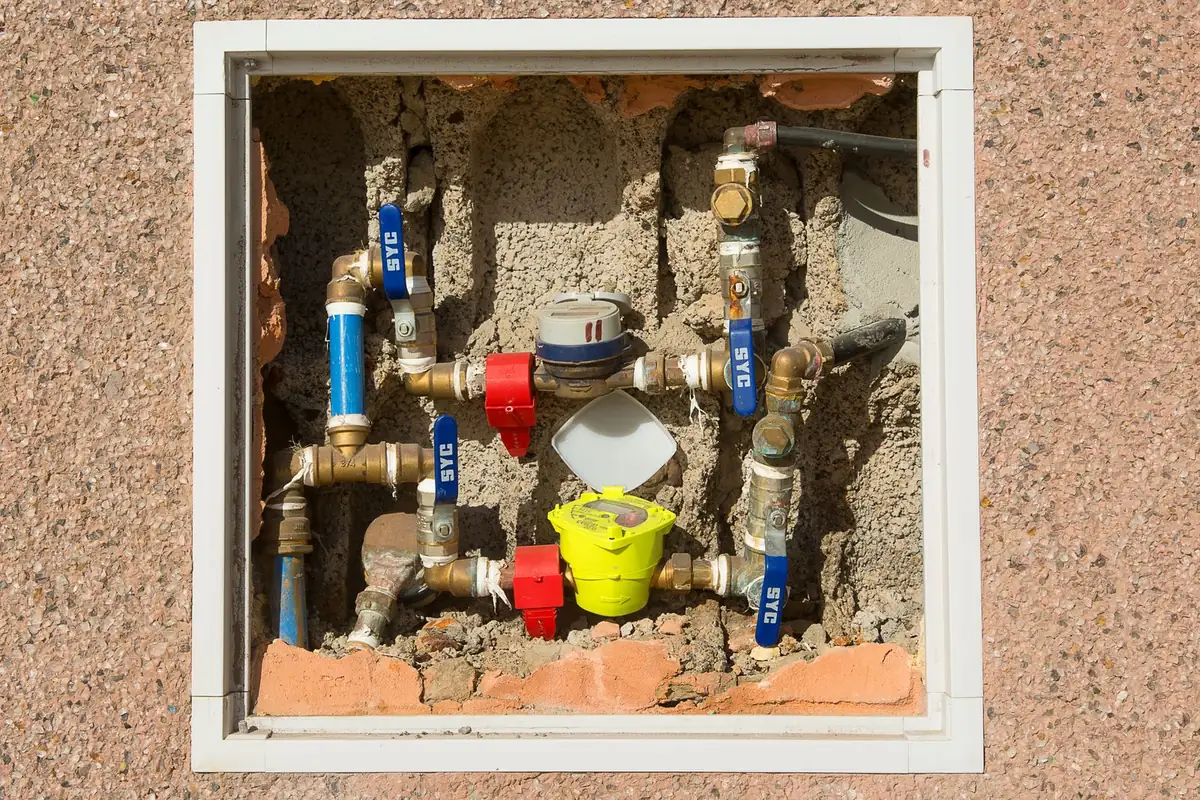
Quick answer: Leak detection finds water leaks you can't see: inside walls, under floors and slabs, and in the yard line. Plumbers use meter and pressure tests to confirm a leak, then acoustic listening gear, thermal imaging and moisture meters to pinpoint it. The EPA says the average household's leaks can waste about 9,300 gallons a year.
What leak detection includes
- Meter test to confirm water is moving when nothing is on.
- Pressure testing to isolate the leak to hot, cold, inside or outside lines.
- Acoustic detection with ground microphones and listening devices.
- Thermal imaging to spot hot water leaks and wet areas by temperature.
- Moisture meters to map how far water has spread in drywall, wood and flooring.
- Fixture checks for toilets, faucets, valves and the water heater.
- A written report with the leak location and the repair options.
How each method finds leaks
| Method | How it works | Best for |
|---|---|---|
| Meter and pressure test | Shows whether water is lost and on which line | Confirming a leak exists |
| Acoustic listening | Picks up the hiss of water escaping a pressurized pipe | Slabs, walls and buried lines |
| Leak noise correlator | Compares sound at two points to calculate the spot | Long buried water lines |
| Thermal camera | Shows warm or cool areas left by water | Hot water lines, radiant floors |
| Moisture meter | Measures water content in materials | Mapping damage, drying checks |
| Tracer gas | Safe gas is pushed into the line and sniffed at the surface | Very small or hard-to-hear leaks |
The leak detection process
- Confirm the leak. All fixtures are off and the meter is watched, then lines are pressure tested.
- Narrow it down. Valves split the system into zones until the leaking line is found.
- Pinpoint. Acoustic and thermal tools find the spot, often within a foot or two.
- Mark and report. The location is marked, with photos and a written summary for you and your insurer.
- Repair. The plumber quotes the fix: a small opening and spot repair, a reroute, or repiping.
Do-it-yourself leak checks
The EPA's WaterSense program suggests a few simple checks before you call:
- Meter test: read the water meter, use no water for two hours, then read it again. If it moved, there is probably a leak.
- Toilet dye test: put a few drops of food coloring in the tank. If color shows in the bowl after 10 minutes without flushing, the flapper is leaking.
- Winter bill check: the EPA says a family of four using more than 12,000 gallons a month in winter probably has a serious leak.
If a toilet or faucet is the cause, it is usually a quick fix. If the meter still moves with every fixture off, the leak is hidden, and that is when detection pays off.
Signs of a hidden water leak
- A water bill that rises with no change in use.
- The sound of running water when everything is off.
- Warm spots on a tile or concrete floor.
- Stains, bubbling paint, or soft drywall.
- Musty smell or mold growth.
- Low water pressure or a water heater that runs constantly.
- Wet or sinking spots in the yard between the meter and the house.
Why fast detection matters
A hidden leak keeps soaking framing, insulation and subfloor. The EPA advises drying wet building materials within 24 to 48 hours to prevent mold. The Insurance Information Institute notes that many policies cover sudden water damage but not damage from slow, long-term leaks. Finding a leak early limits both the damage and the claim questions.
What affects the cost of leak detection
- Where the leak may be: walls, slab, ceiling or yard.
- Size of the home and the number of lines to test.
- Methods needed, such as tracer gas.
- After-hours service.
- Repair work after the leak is found.
DIY or call a professional?
Do the meter and dye tests yourself, and fix a toilet flapper if that is the cause. When the leak is in a wall, a slab or underground, professional detection saves money by keeping the opening small. Guessing and opening walls in several places usually costs more.
Prevent future leaks
- Check under sinks, behind toilets and around the water heater every few months.
- Replace washing machine hoses with braided steel hoses every five years or so.
- Know where your main shutoff is, and test it once a year.
- Consider a leak sensor or automatic shutoff valve.
- Keep water pressure in a normal range; a plumber can test it.
Leak detection questions
How can I tell if I have a hidden water leak?
Turn off all water use and watch the meter. The EPA suggests checking the meter before and after a two-hour period with no water use. If it changed, you probably have a leak. Other signs are a rising bill, damp spots, mold smell, warm floors and the sound of running water.
How do plumbers find leaks without tearing out walls?
They combine pressure tests, acoustic listening devices that pick up the hiss of escaping water, thermal cameras that show temperature differences, and moisture meters. Most leaks can be pinned to a small area before any opening is made.
How much water does a small leak waste?
A lot over time. The EPA says the average household's leaks can waste about 9,300 gallons a year, and a faucet dripping once a second wastes more than 3,000 gallons a year.
Can a leak be found under a concrete slab?
Yes. Plumbers isolate hot and cold lines with pressure tests, then use acoustic and thermal tools on the slab surface to find the spot. See slab leak repair for the next step.
What should I do while I wait for leak detection?
If you see active water, shut off the main water valve. Dry what you can, move belongings, and take photos for insurance. The EPA advises drying wet materials within 24 to 48 hours to prevent mold.
Related plumbing services
Slab leak repair
Leaks in pipes under a concrete slab located and fixed by spot repair or reroute.
Pipe repair and repiping
Burst, corroded or leaking pipes repaired, or whole-home repiping in PEX or copper.
Water line repair
Main water service line leaks, low pressure and line replacement to the street.
Sources
- EPA WaterSense: Fix a Leak Week
- EPA: A brief guide to mold, moisture and your home
- Insurance Information Institute: How to protect your home from water damage
Last reviewed November 19, 2026 by PipeMend Editorial. General information, not legal, insurance or professional advice. Read our editorial policy.
Leak, clog or no hot water?
Call PipeMend 24/7 to get a licensed plumber started on the fix.
Call 1-800-555-0199